Heritage Interpretation

Connecting people, stories and places
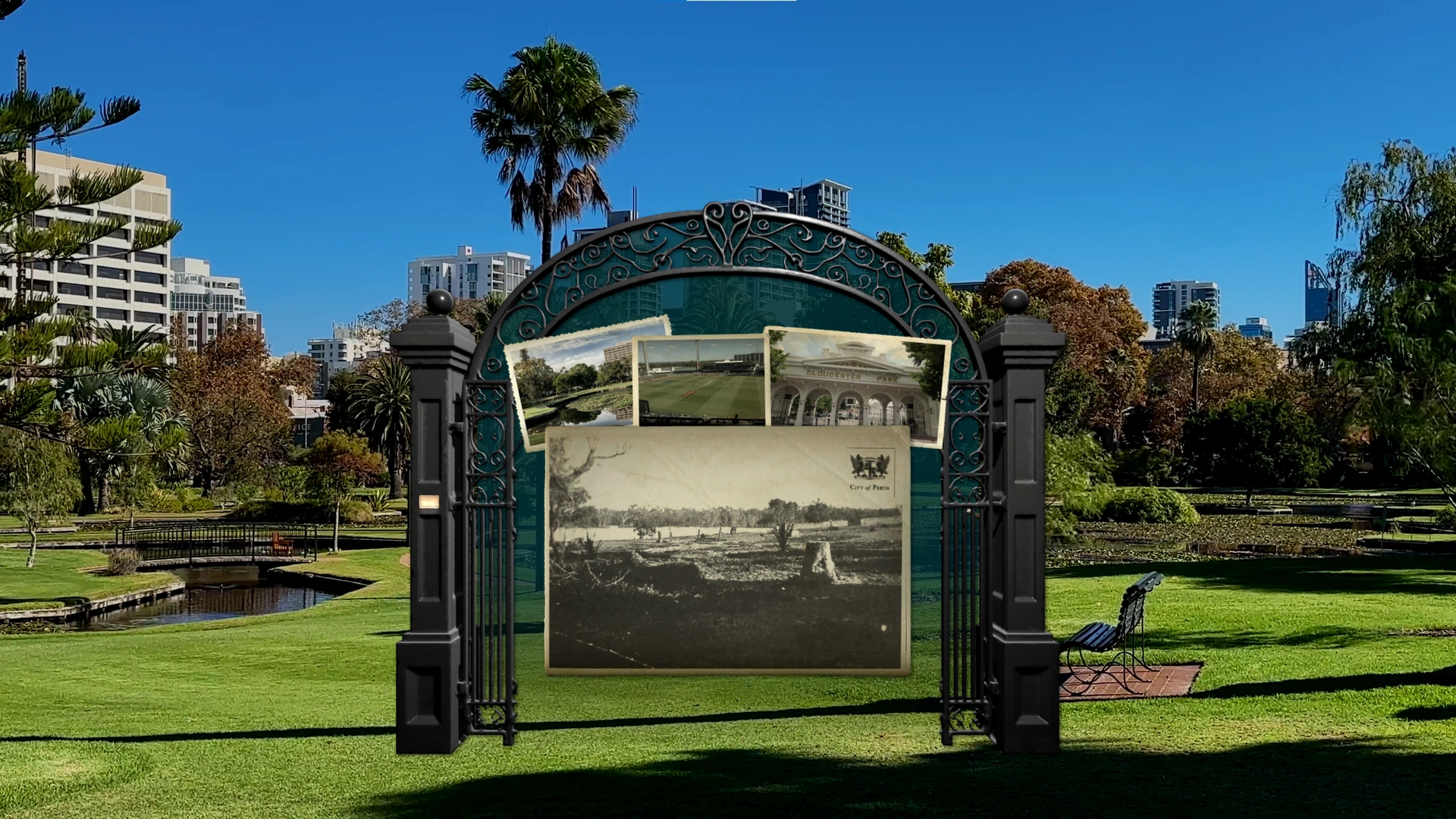
Perth Garden Stories - an iron gateway framing glowing archival photographs beside a lily pond, with the Perth skyline behind

Interactive technology creates exciting opportunities to bring stories back to where they happened. Using proven approaches, from the phones visitors already carry to the signs, artworks and landmarks around them, we choose the format that best tells each story, creating experiences that are engaging and inclusive, reach new audiences and give people a reason to linger and return.
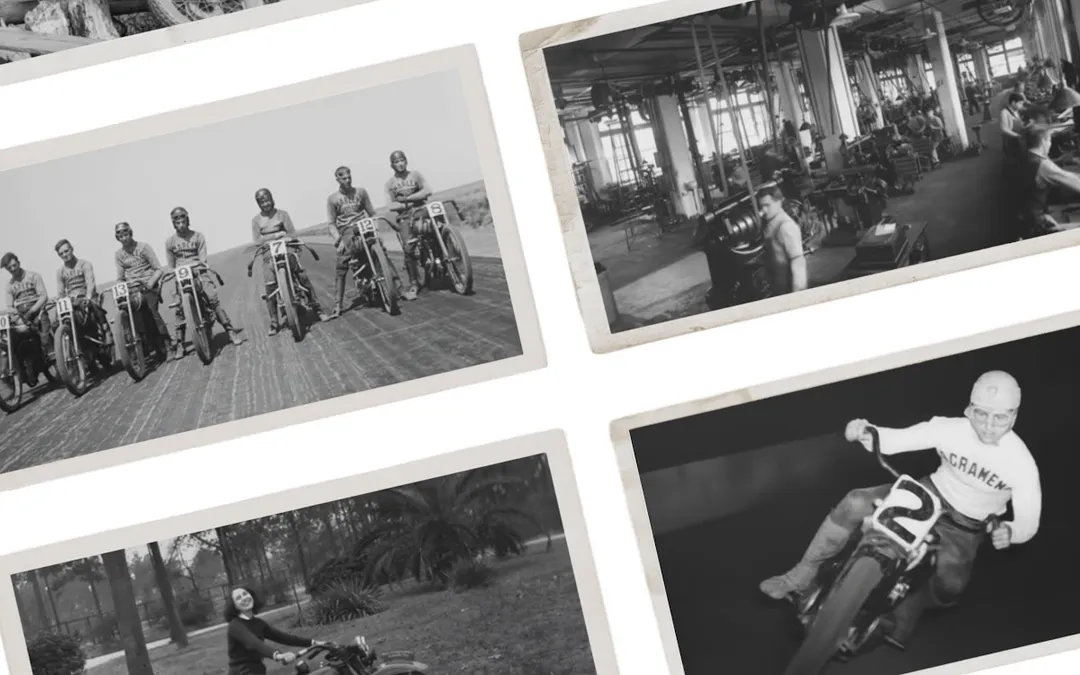
Online galleries - archival black and white motorcycle racing photographs laid out as tilted prints in a digital collection view
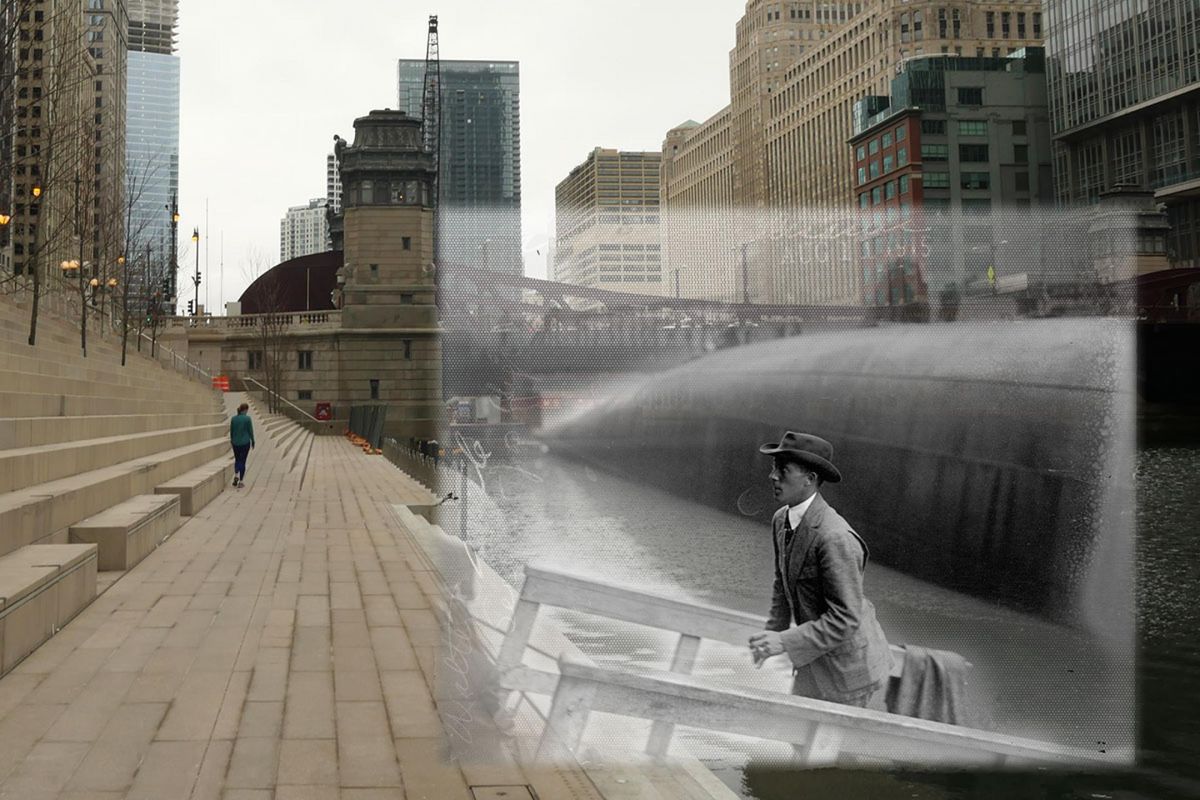
On-site AR - a present-day city riverwalk with an archival photograph of a man in suit and hat aligned over the same stretch of water

The Digital Companion

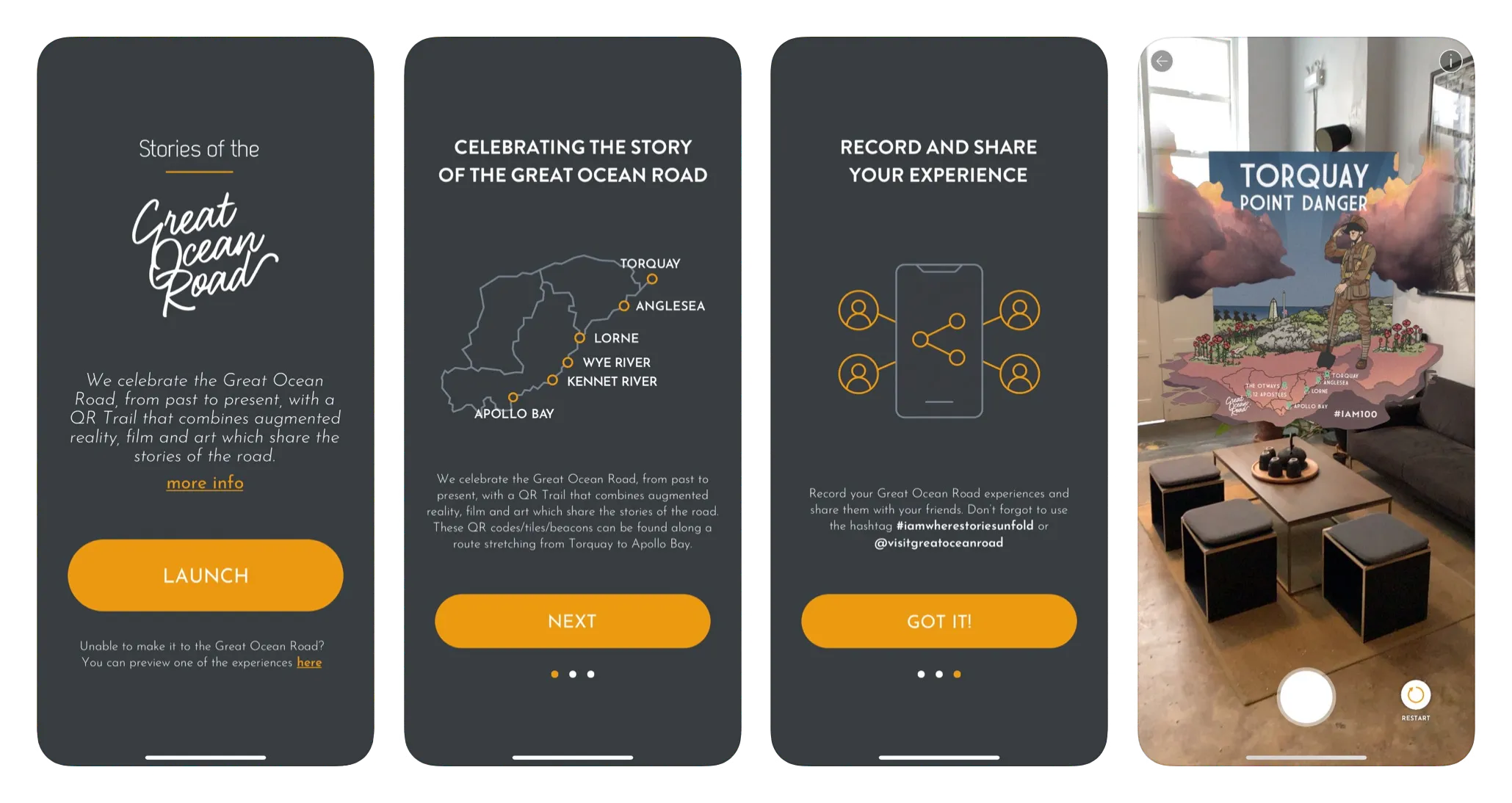
A digital companion is a mobile guide that links heritage sites into one connected journey, helping visitors explore at their own pace and find stories they would otherwise walk straight past. Visitors can orient themselves on a map, choose a stop and discover the story of the place in front of them. Each location brings together practical access information, historical context, archival images and deeper interpretive experiences.

We design the whole journey, connecting physical markers, location pages and immersive moments into a coherent trail. It can start with a small number of sites and grow as new stories become available. For Stories of the Road, we connected 32 locations along the Great Ocean Road, Australia, through QR plaques, mobile pages and AR storytelling.
Animated Archives

Archival photographs become more powerful when they are returned to the place they were taken. Visitors can compare a historical image with the scene around them, or watch it come alive through animation.

We work from photographs, maps and historical records to create these windows onto the past. For Perth Garden Stories, we brought archival photographs and community memories into four historic public gardens, connecting visitors with the changing landscapes around them.

Life-Size Encounters

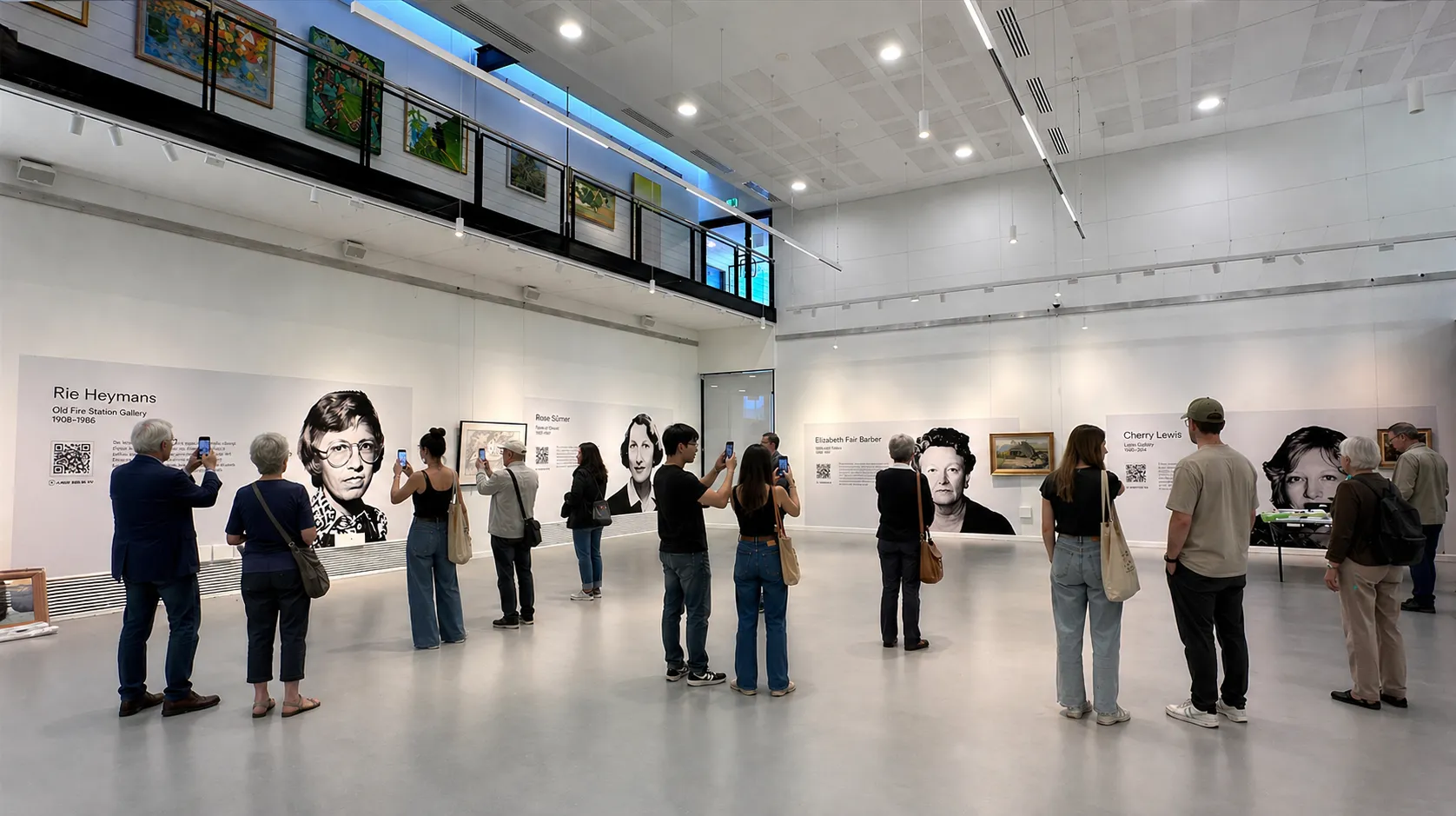
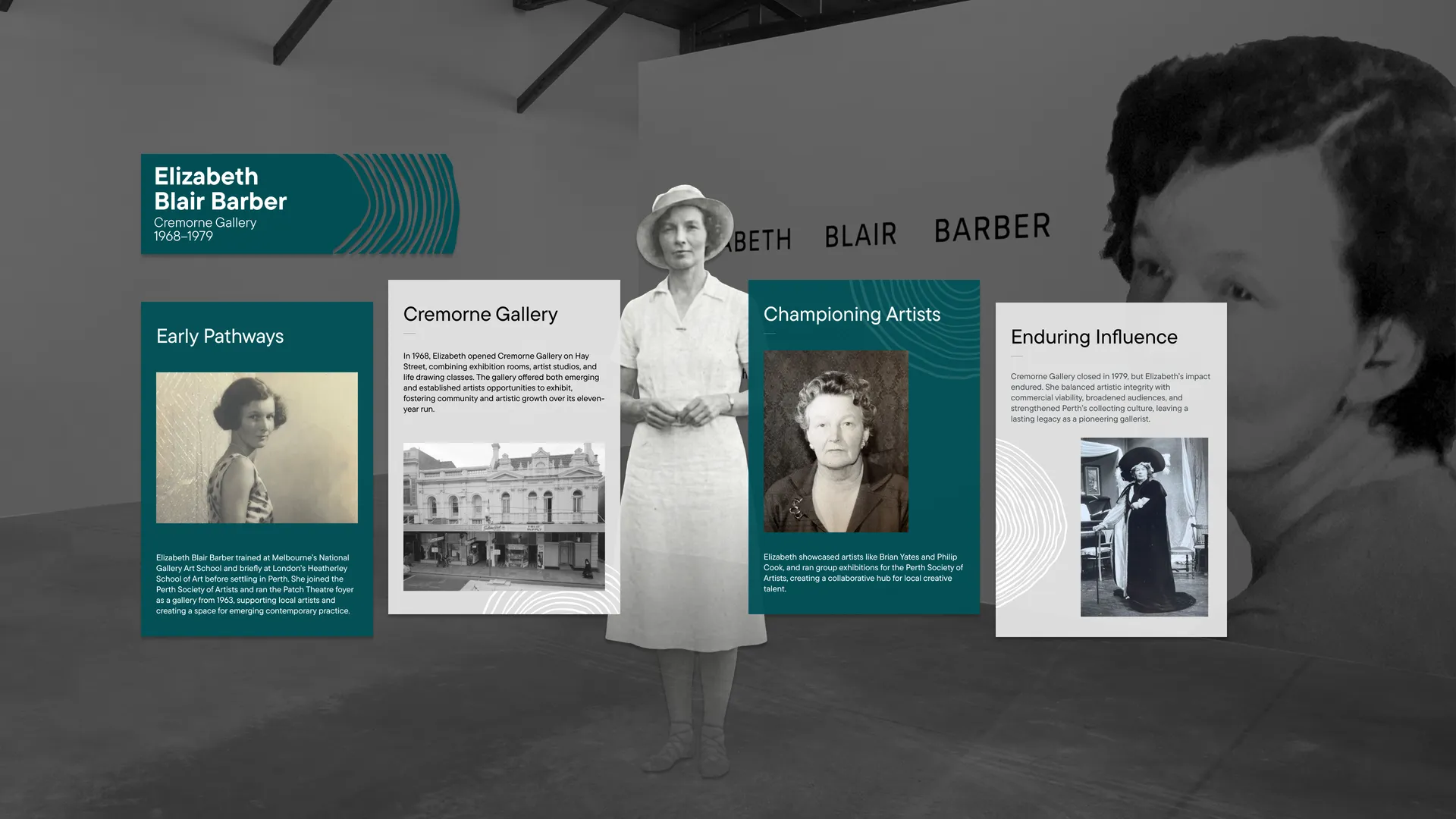
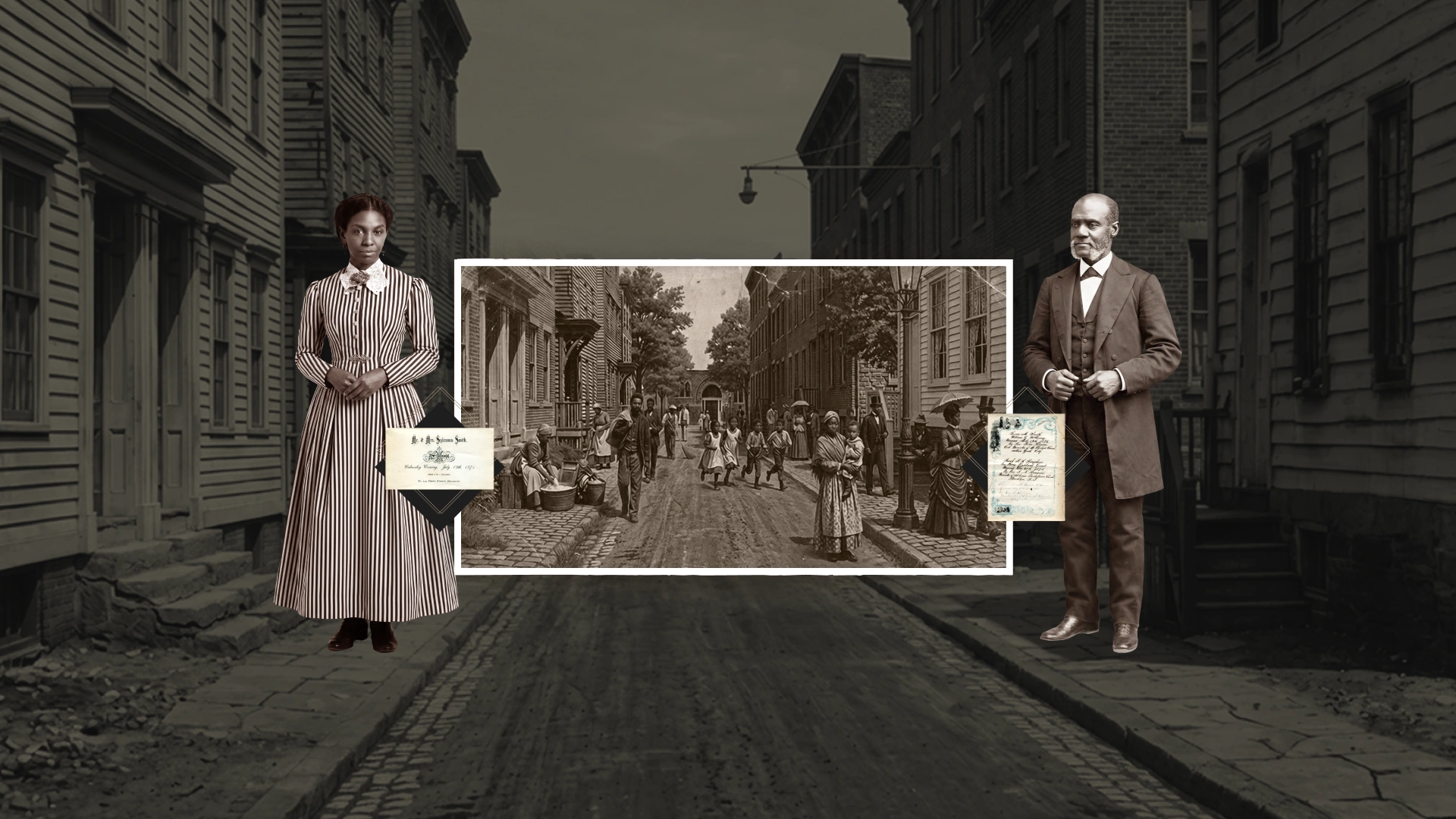
There is a particular power in meeting a story at human scale. Historical figures can appear in the places their lives unfolded, looking out over the same view as the visitor. A portrait can become a life-size presence, accompanied by a voice, archival material or the story of the community they belonged to.

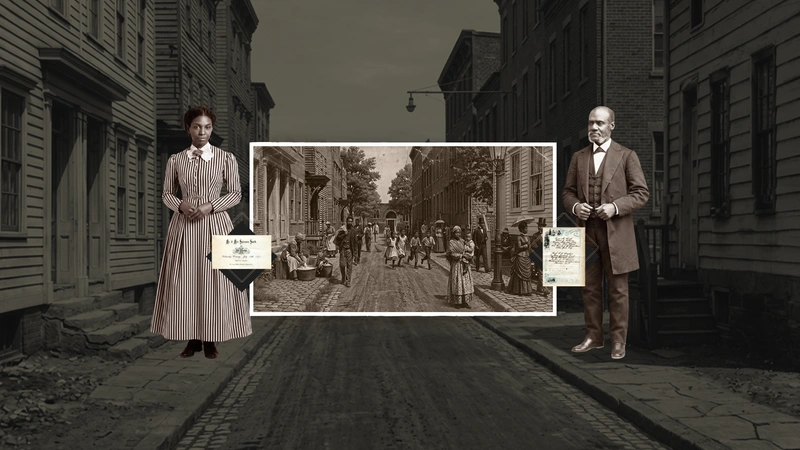
We develop these encounters with historians, curators and communities, drawing on the available record to shape how people are represented. For Pioneering Spaces, we brought four mid-century Perth gallerists back into the gallery from archival photographs. For Mama Joys Walk in Brooklyn, we placed Henry Highland Garnet and Sarah Smith Garnet within reconstructed scenes of their neighbourhood.
Seeing the Past in Place

Digital reconstruction helps visitors connect what remains with what once stood there. A lost building can reappear on its original footprint, at true scale, or an entire street can return through an animated scene.

We use archival photographs, plans and historical research to shape these reconstructions with your heritage team. The experience can reveal how a building was used, how people moved through it and how its surroundings have changed, with interpretation that makes clear what is documented and what has been reconstructed.
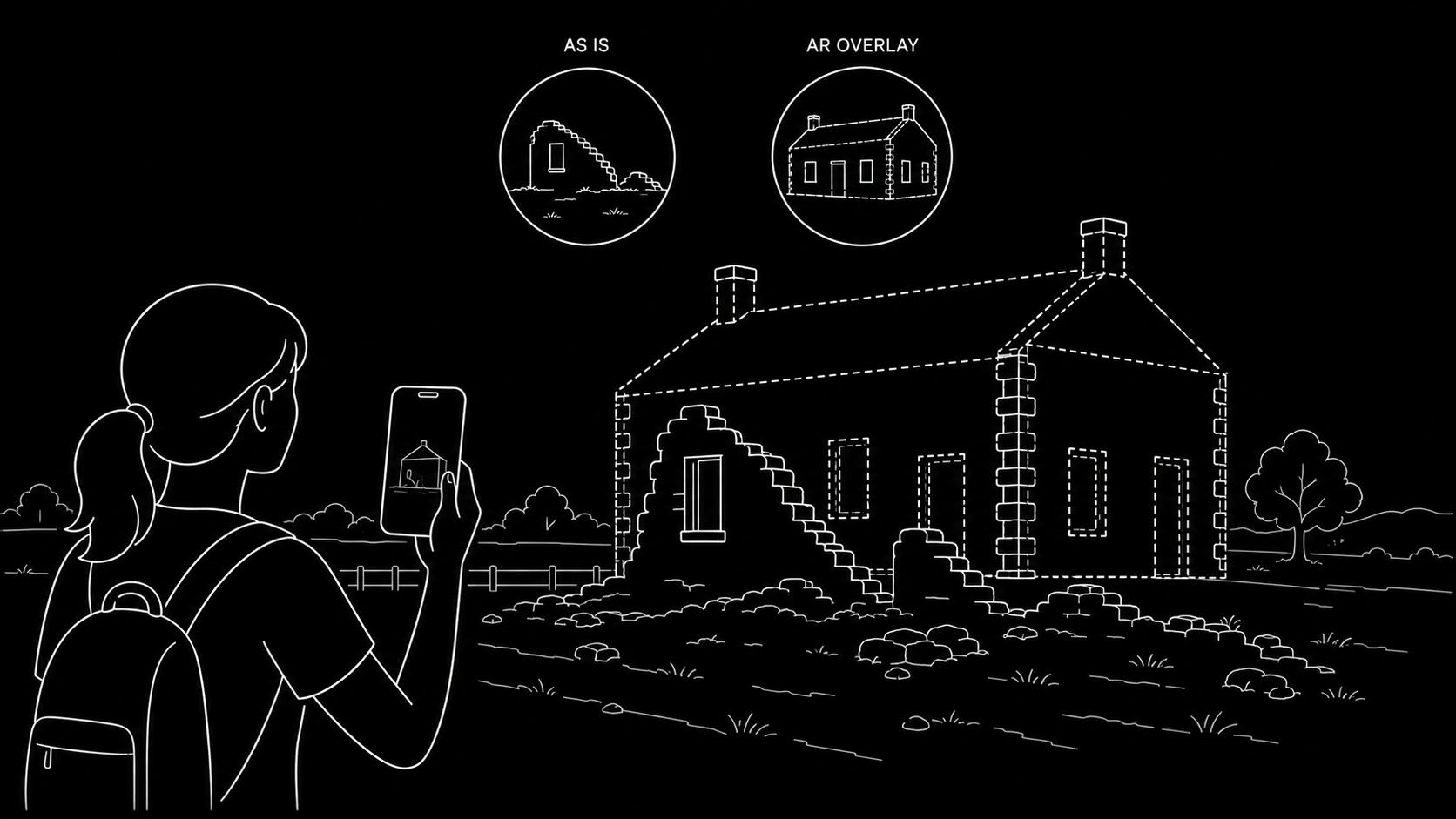
Heritage Interpretation - concept illustration of a visitor viewing a lost homestead rebuilt in AR above its surviving stone wall
Concept visualisation - rebuilding a lost homestead in augmented reality
Digital Twins

Some places are difficult to open to the public. A fragile ruin, restricted interior or remote site can be explored through a digital twin: a detailed 3D representation of the place as it exists today. Visitors can rotate, zoom and move through it on screen, or view it at full scale in augmented reality, with stories attached to points of interest.

This approach can support both interpretation and a lasting digital record. For Wonder Reef on the Gold Coast, we created an interactive 3D and AR experience of a site accessible only by boat and scuba licence, opening it to a much wider audience. The same approach can help people explore heritage places they cannot physically enter.

Augmented Murals

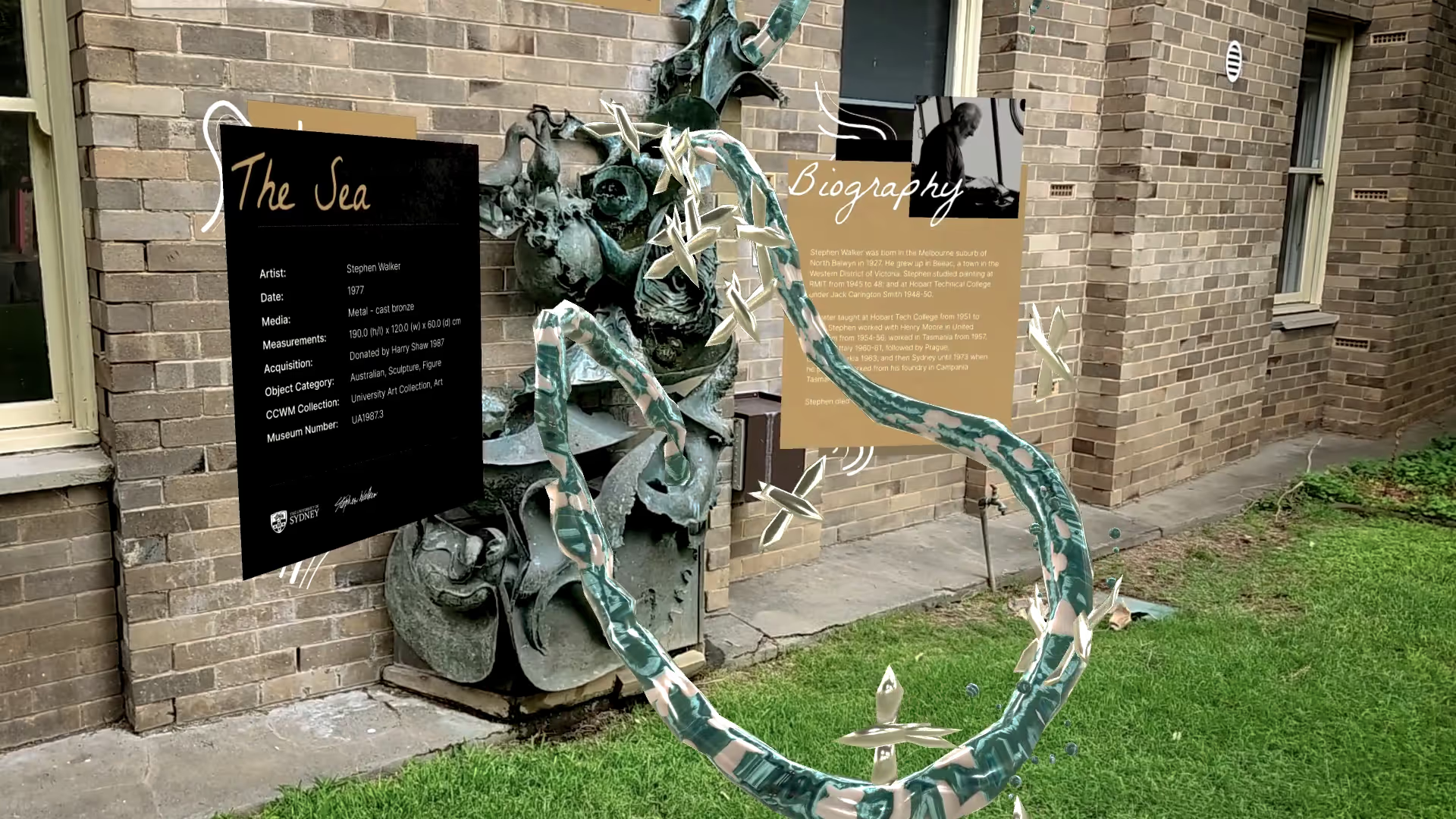
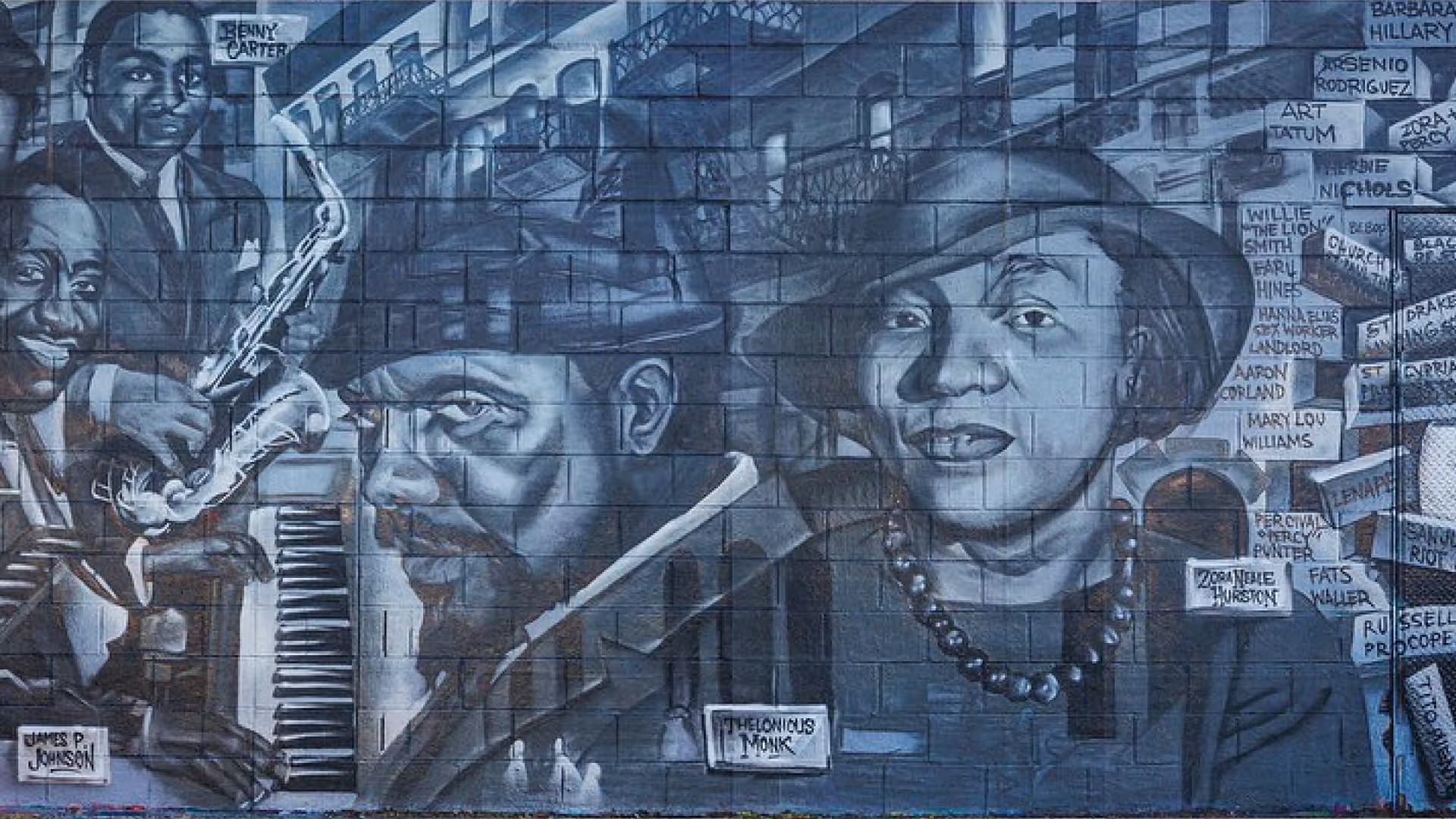
Murals are already a form of public storytelling. An augmented layer can add motion, sound and narrative, giving visitors who scan the artwork a deeper connection with its story. We collaborate with the original artist to extend an existing mural, or develop the physical artwork and digital experience together for a new commission.

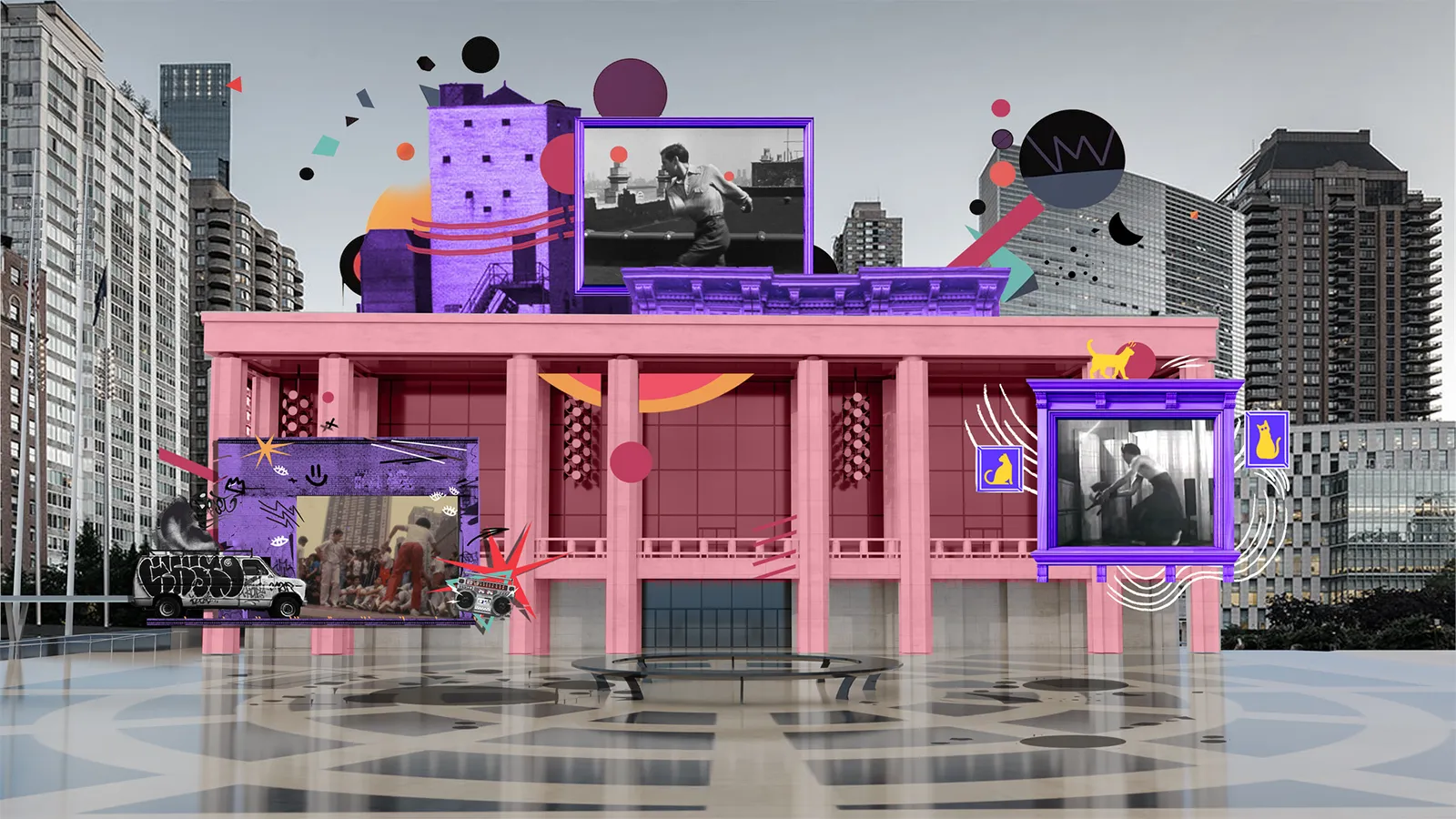
For the San Juan Hill Mural at Lincoln Center, we layered eight animated histories of a demolished neighbourhood onto a hand-painted wall. For Our Gems WA, we activated artworks and murals across the Goldfields-Esperance region, connecting local stories through a shared trail.

First Nations Storytelling

First Nations storytelling is grounded in Country, language and community. We work with Traditional Owners and knowledge holders from the beginning, with the community leading decisions about what is shared, where it is placed, how it is voiced and how visitors experience it. Cultural protocols and permissions guide both the creative process and the finished work.

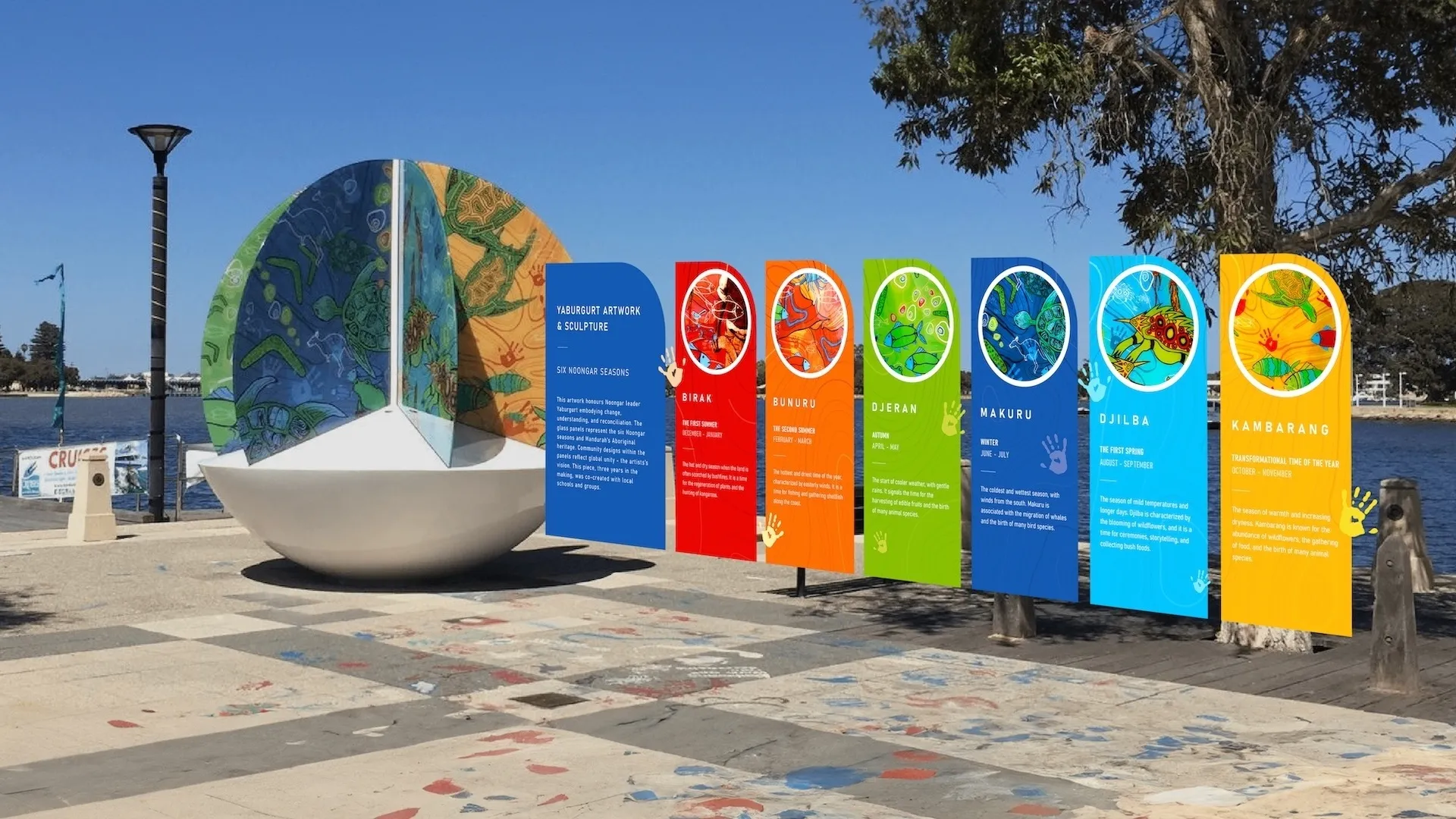
At Mandurah Visitor Centre, the Story of Bindjareb Boodja mural and Yaburgurt memorial panels share the six Noongar seasons in language, narrated by Bindjareb Noongar man George Walley. Co-designed with Bindjareb knowledge holders from the first workshop, the project connects visitors with Country through artwork, language and story.

Signage to Screen

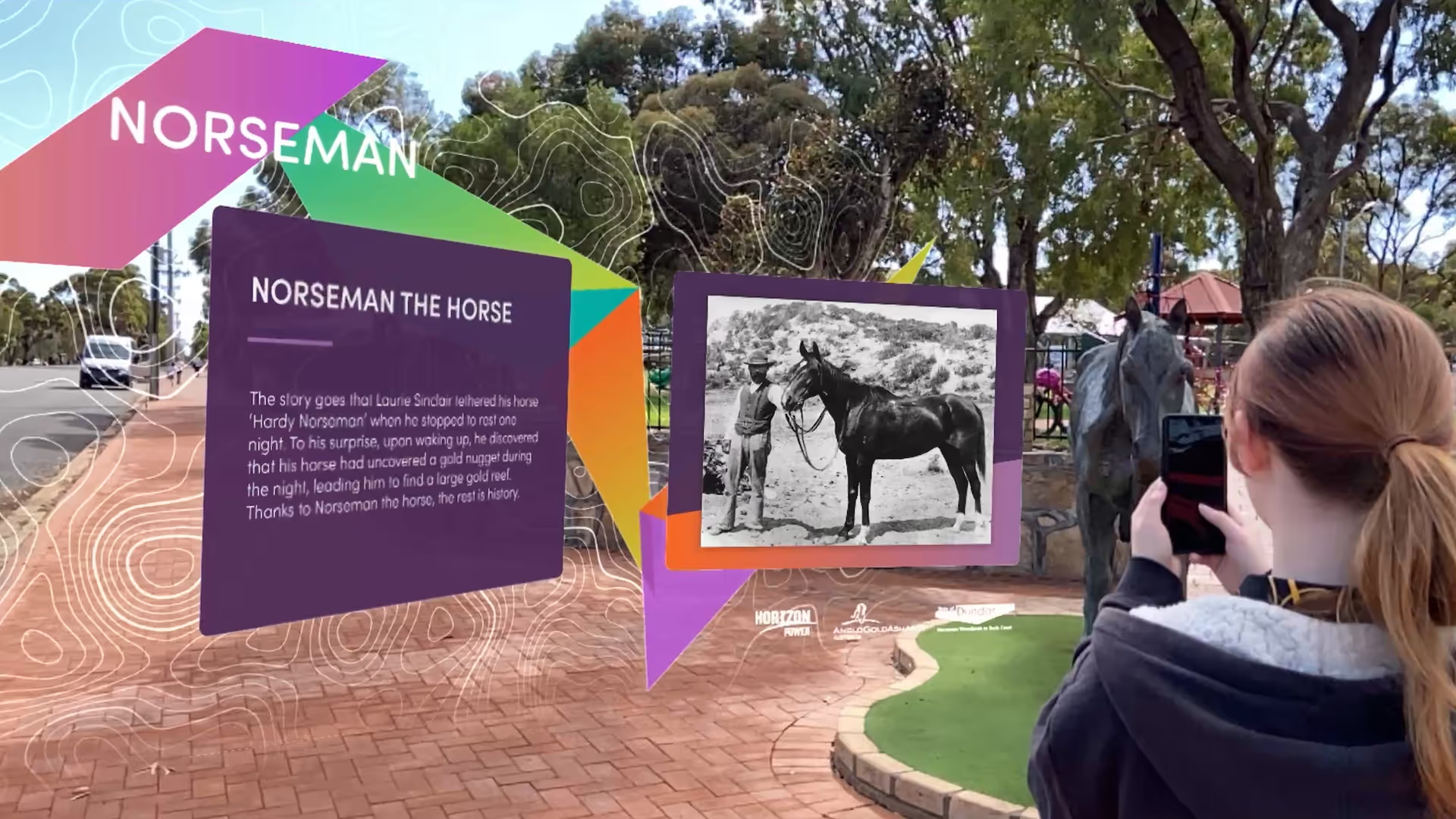
The experience starts before a visitor opens their phone. A sign, seat, artwork or marker can signal that there is a story to discover and provide a clear way into it. We design physical interpretation and digital onboarding together, so visitors can move naturally from the place in front of them to its map, audio, archive or AR experience.

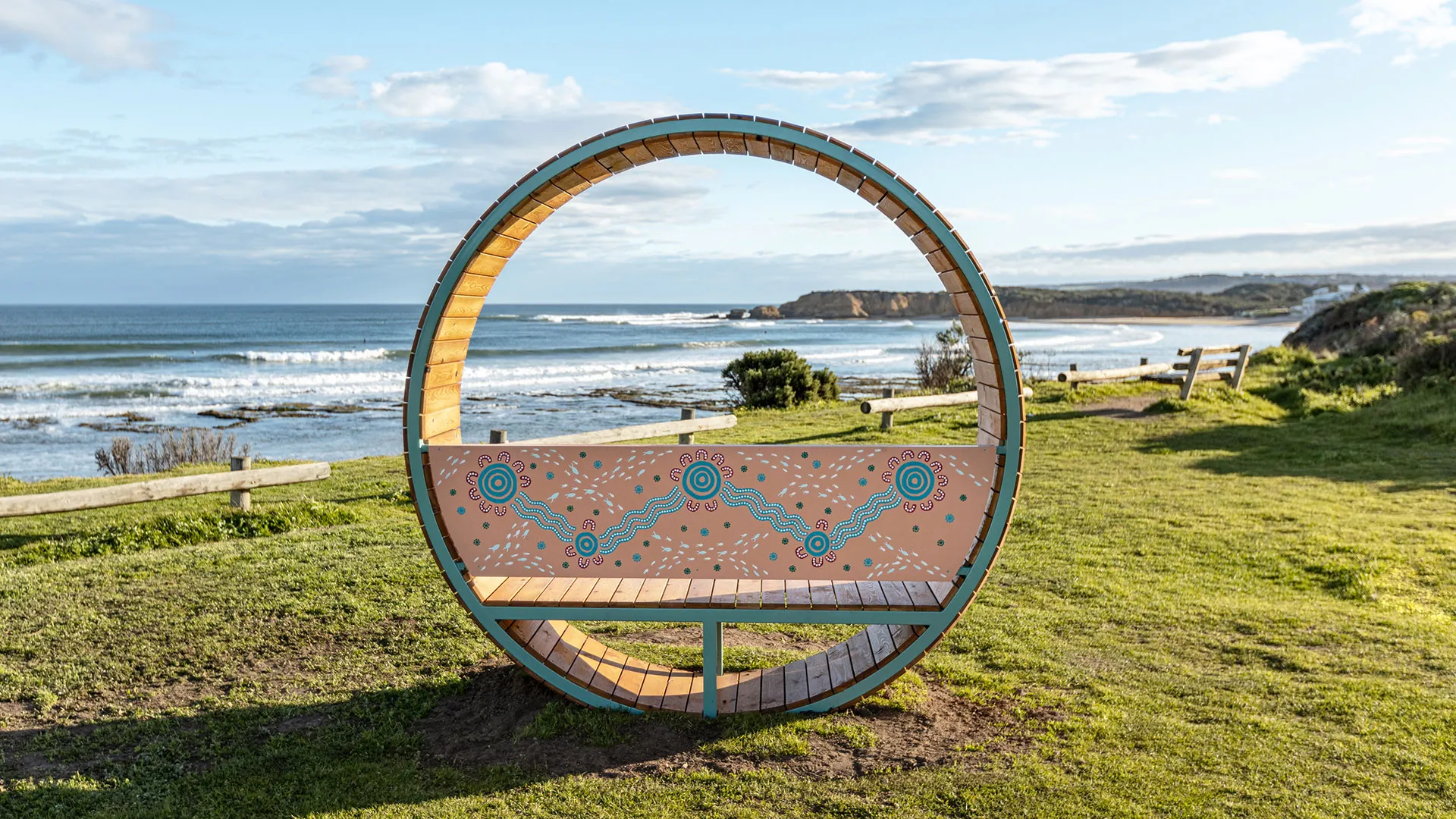
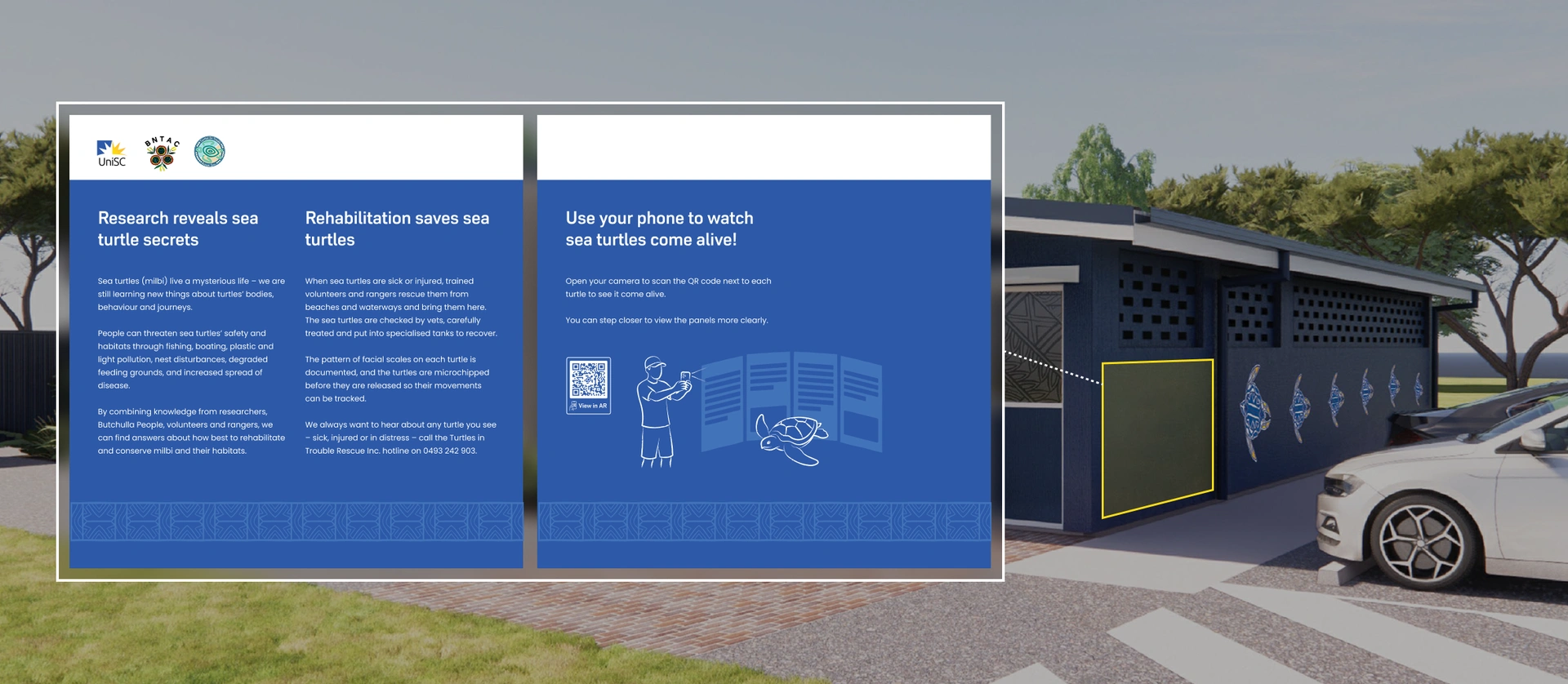
For the Great Ocean Road centenary, AR stories were embedded in public seating along the coast. At the Milbi Centre, interpretive signage, QR codes and life-size 3D sea turtles became part of a shared visitor journey. The physical setting and digital content work together to give people a reason to stop, look and explore.

Bring Stories to Life

Planning a heritage trail, rethinking a museum experience or looking for new ways to share the history of your region? Talk to us about your place, your audience and the stories you want people to discover.

Related Projects