Pioneering Spaces
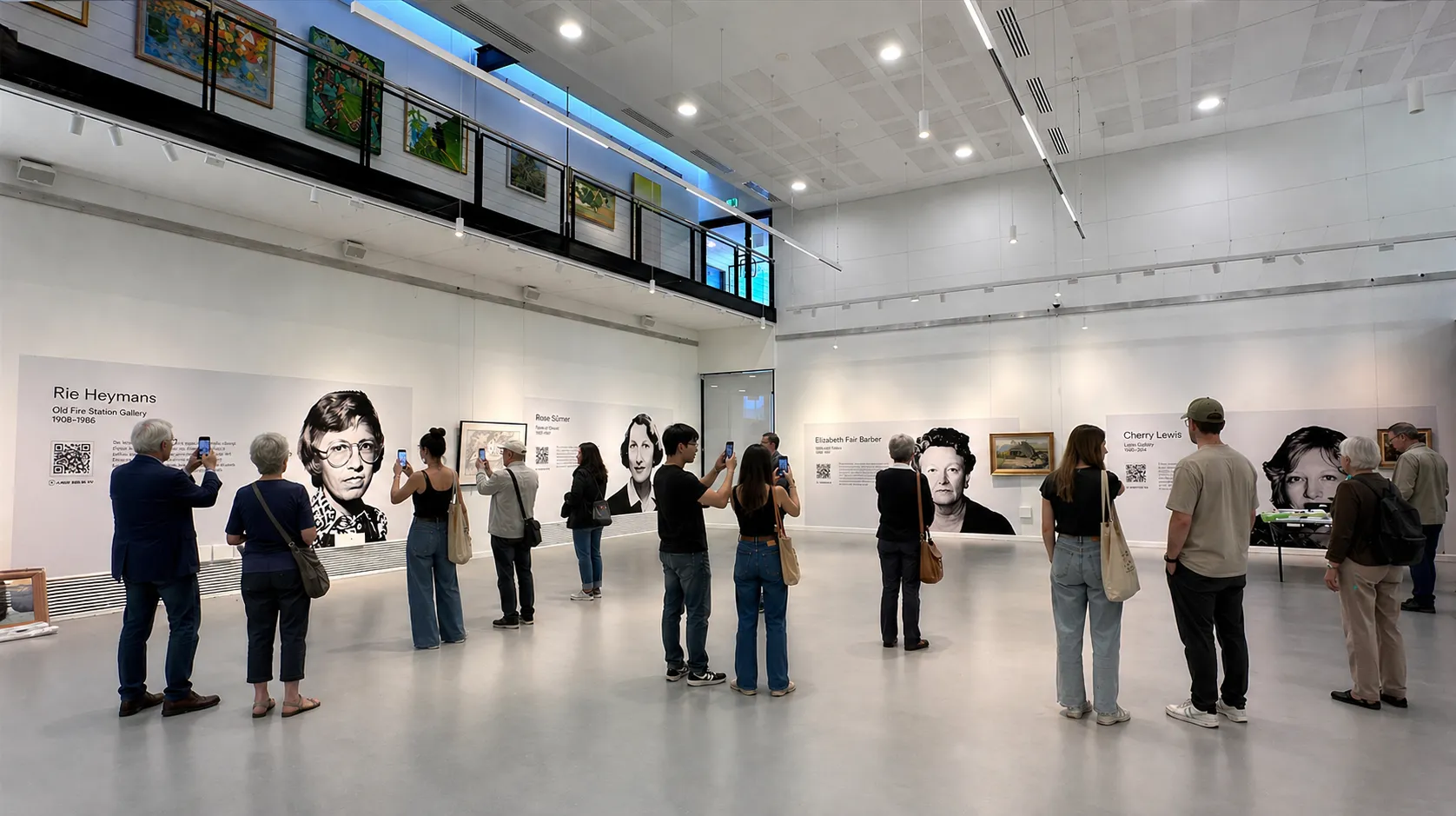
Pioneering Spaces is an augmented reality experience developed for the Lotterywest Boorloo Heritage Festival, presented by the City of Perth at Gallery Central. The work brings four of Perth's most important mid-century gallerists - Elizabeth Blair Barber, Rie Heymans, Rose Skinner and Cherry Lewis - back into the exhibition as life-size figures within the gallery space, standing once again alongside the artists and artworks they helped champion.


The Exhibition
Between the 1950s and 1980s, when the art world was still overwhelmingly male-dominated, four women helped reshape Perth's cultural landscape. More than gallerists, they were community-builders, advocates and tastemakers, creating spaces for artists whose work would help define Western Australian art for generations. Pioneering Spaces celebrates their legacy through the artists they championed, and the cultural shift they helped make possible.


Presence
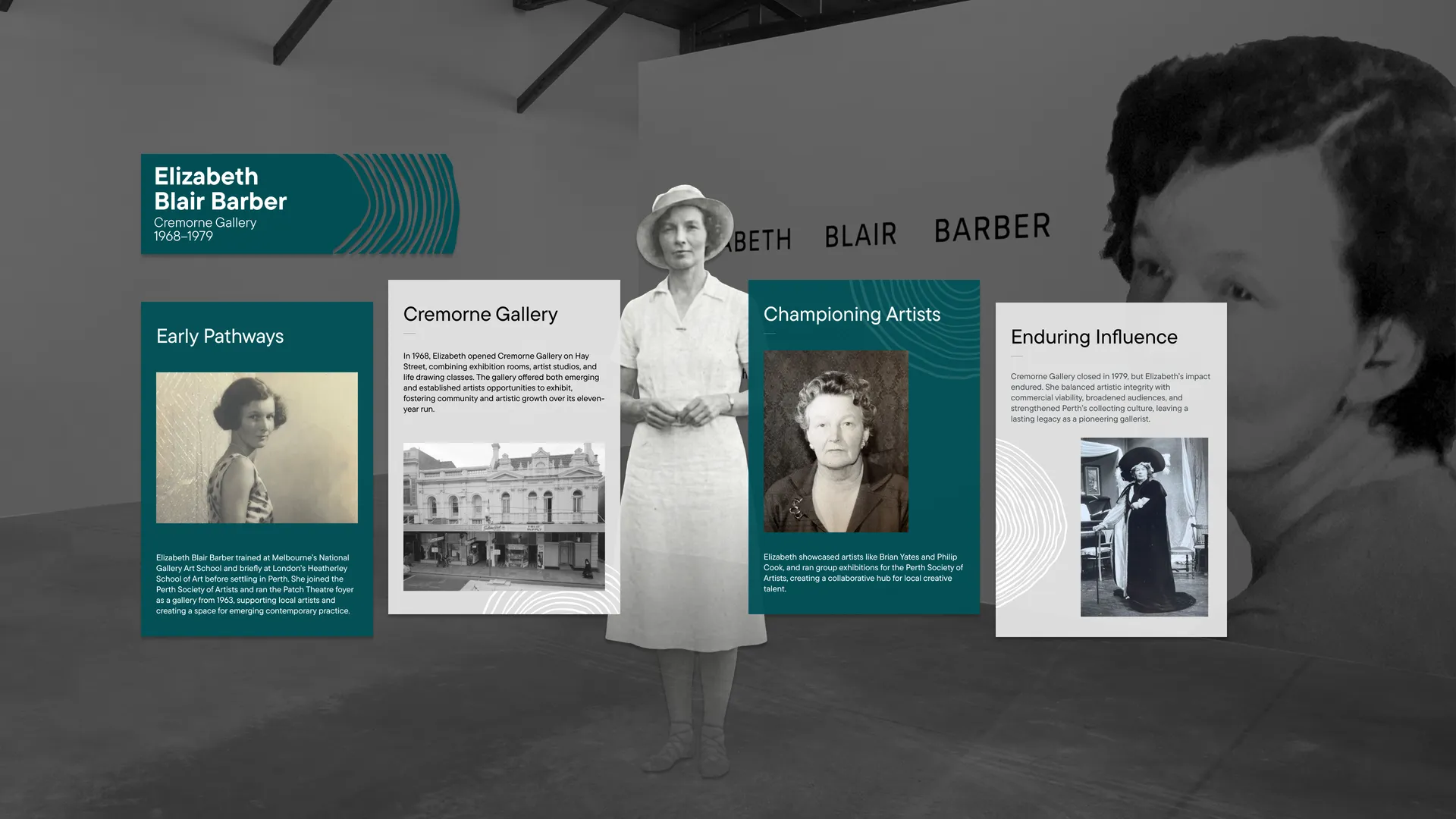
At the centre of the experience, each of the four gallerists is brought back into the room through Augmented Reality. Rather than presenting them as images on a screen, AR allows them to appear life-size, creating a stronger sense of presence, intimacy and connection.
Each AR piece is anchored by a moving image of the gallerist, surrounded spatially by biographical details, archival photographs and contextual material that help tell their story. The result is an experience that feels less like looking at documentation, and more like standing in the presence of the people who shaped it.
The AR component has genuinely brought this project to life in ways traditional didactic panels never could, and it points toward exciting possibilities for how we can honour and share cultural heritage in the future.
Connie Petrillo, City Culture Project Officer
Responsible AI Use
As the use of generative AI in cultural and archival contexts continues to evolve, we believe responsible practice begins with consultation, consent and care. For Pioneering Spaces, generative AI was used to extend archival portraits of the four gallerists with subtle ambient motion, helping create a stronger sense of presence within the AR experience.
Working with the City of Perth, we sought approval from the families and estates connected to each gallerist and the archival materials. This ensured each woman's likeness was represented respectfully and appropriately, with the necessary permissions in place before the work was presented in the gallery.
At Home
Always looking to extend the value of a site-specific experience, we designed Pioneering Spaces to live beyond Gallery Central. Visitors can save the AR content to revisit on their own device, or share it with friends and family who were unable to attend in person.
This at-home approach extends the exhibition beyond its physical run, allowing each gallerist's story to continue as a digital asset for education, marketing and story telling.
Testimonials
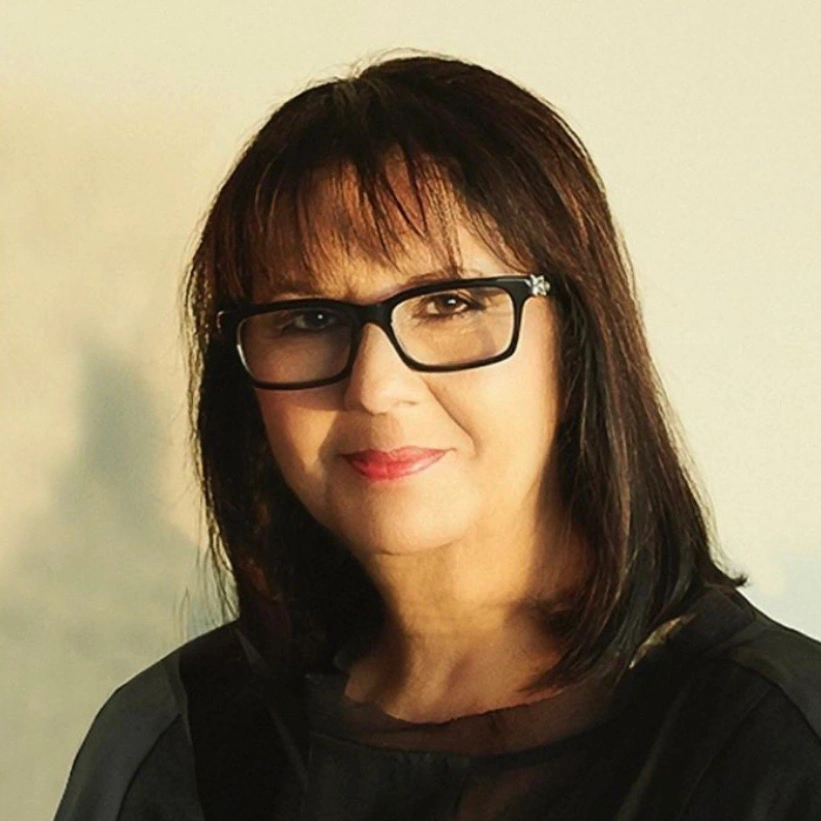
Connie PetrilloCity Culture Project OfficerThe augmented reality component of Pioneering Spaces has been an amazing outcome and represents one of the most exciting aspects of this project.
From a curatorial perspective, AR technology has allowed us to do something we've never been able to achieve before, to bring these pioneering women quite literally to life within the exhibition space. When visitors scan the QR codes and see Elizabeth Blair Barber, Rie Heymans, Rose Skinner, and Cherry Lewis step out from their static panels, there's a moment of genuine connection across time that transforms the entire viewing experience.
This technology bridges the gap between historical documentation and lived experience. These weren't just names in archival records - they were vibrant, determined women who took extraordinary risks and built Perth's contemporary art infrastructure from the ground. The AR brings that vitality back into the gallery.
Looking forward, I'd love to see audio incorporated into future iterations of this technology. Imagine soft background music from the era setting the atmosphere, or even more powerfully, the women's own voices telling their stories - drawn from archival interviews or oral histories. Hearing Rie Heymans speak about her artists, or Rose Skinner describe opening night at Skinner Galleries, would add an entirely new dimension of authenticity and emotional resonance.
The AR component has genuinely brought this project to life in ways traditional didactic panels never could, and it points toward exciting possibilities for how we can honour and share cultural heritage in the future.