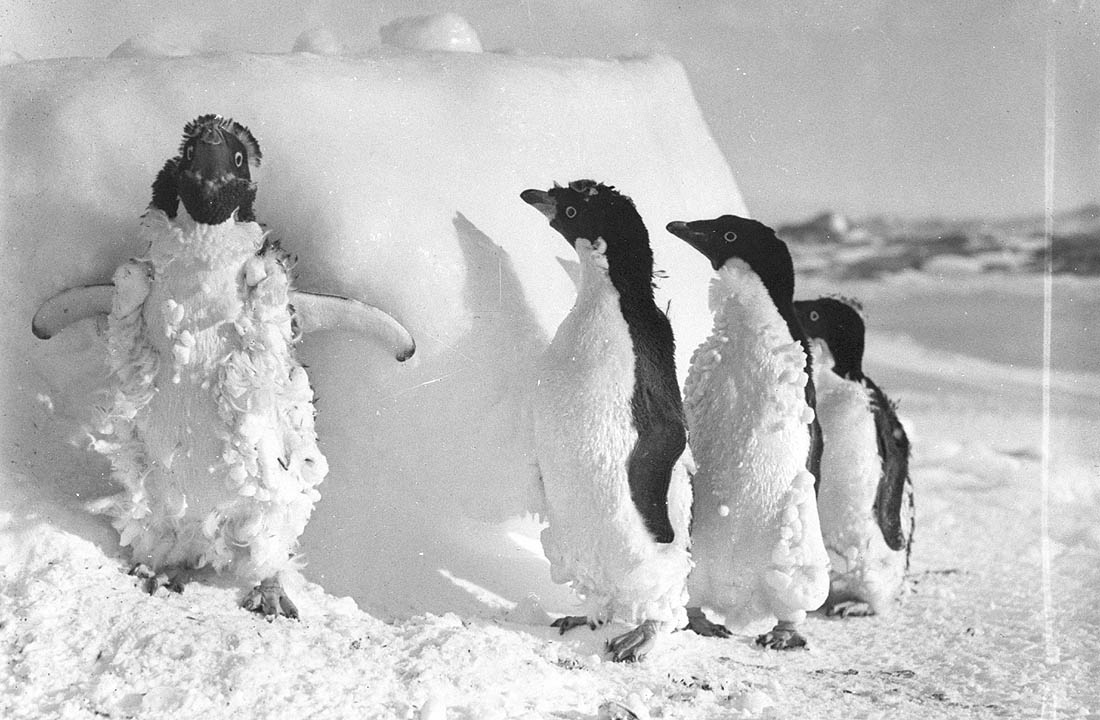
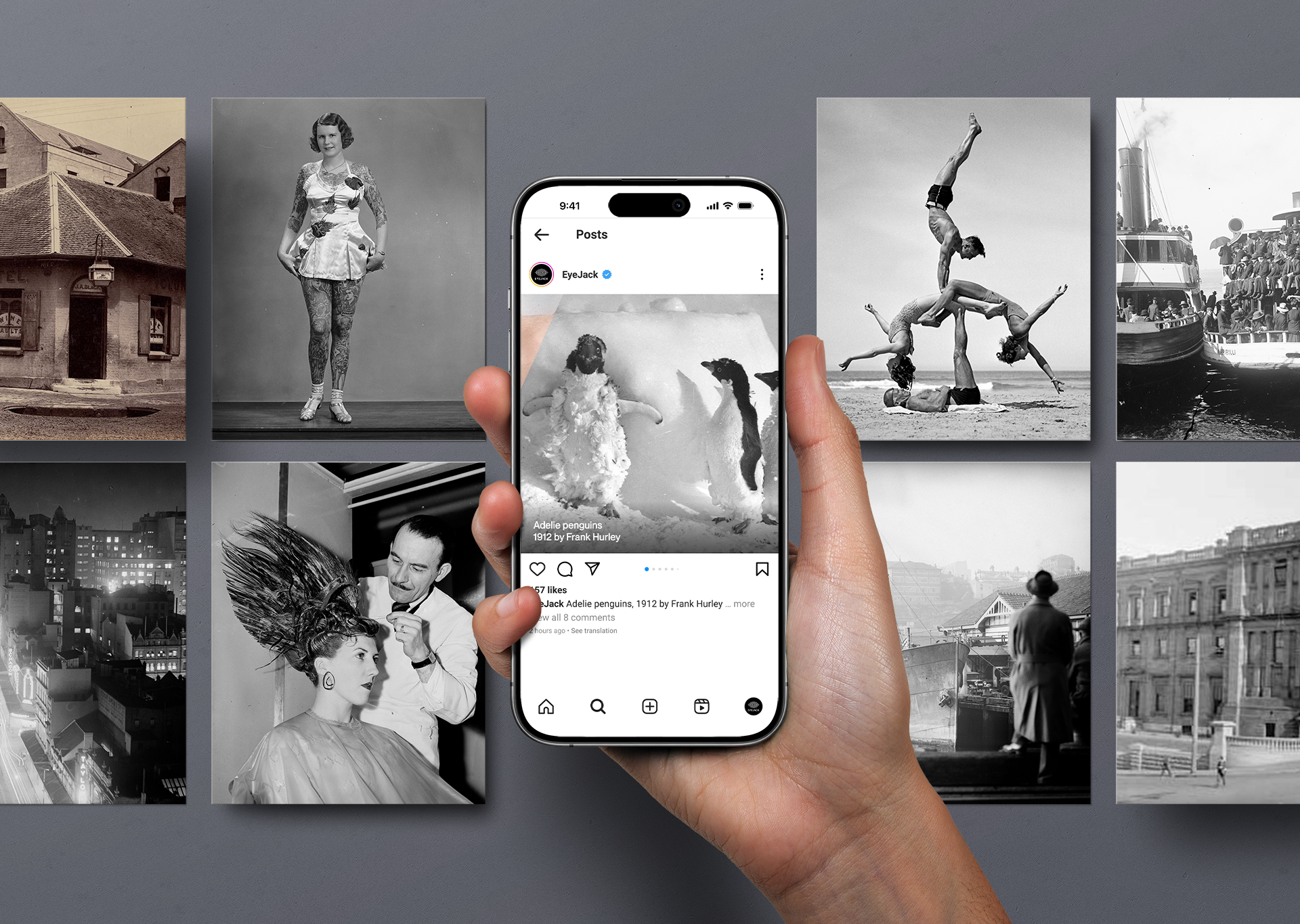
There's a particular moment that happens when a still photograph from 1912 starts to move. A scene of Adelie penguins ice-cased after a blizzard at Cape Denison becomes something else. The wind picks up. A bird shifts its weight. The image stops being a record of a moment and becomes a window into one.
We've spent a lot of time over the last year sitting with that shift, and with the question it raises for museums, galleries, libraries, councils and the wider GLAM sector: if we can do this, what should we do with it, and how do we do it well?
The technology underneath is image-to-video generative AI, and it's moved quickly. The interesting question isn't whether the tool works - it does - but how institutions use it. An archival photograph isn't just an image; it's a cultural record, often a sensitive one, often shaped by who got to hold the camera and who didn't. Animation is an interpretive act. It carries the same responsibilities as a wall label or a catalogue essay, and it deserves the same care.
This piece is a synthesis of what we've learned applying these tools in two real, recently delivered projects with the City of Perth at the Lotterywest Boorloo Heritage Festival. It covers what works, what we'd do again, and what we think the sector should be thinking about now.
For most of the last twelve months, this work has lived in our studio as experimentation - the kind of self-directed R&D a creative studio does to understand a new tool before bringing it to a client. In 2026 it stopped being experimental. We delivered two heritage projects for the City of Perth at the Lotterywest Boorloo Heritage Festival that put these techniques in front of real audiences in real public spaces. Each project answers a different question about how generative AI can sit inside a heritage programme.
Pioneering Spaces
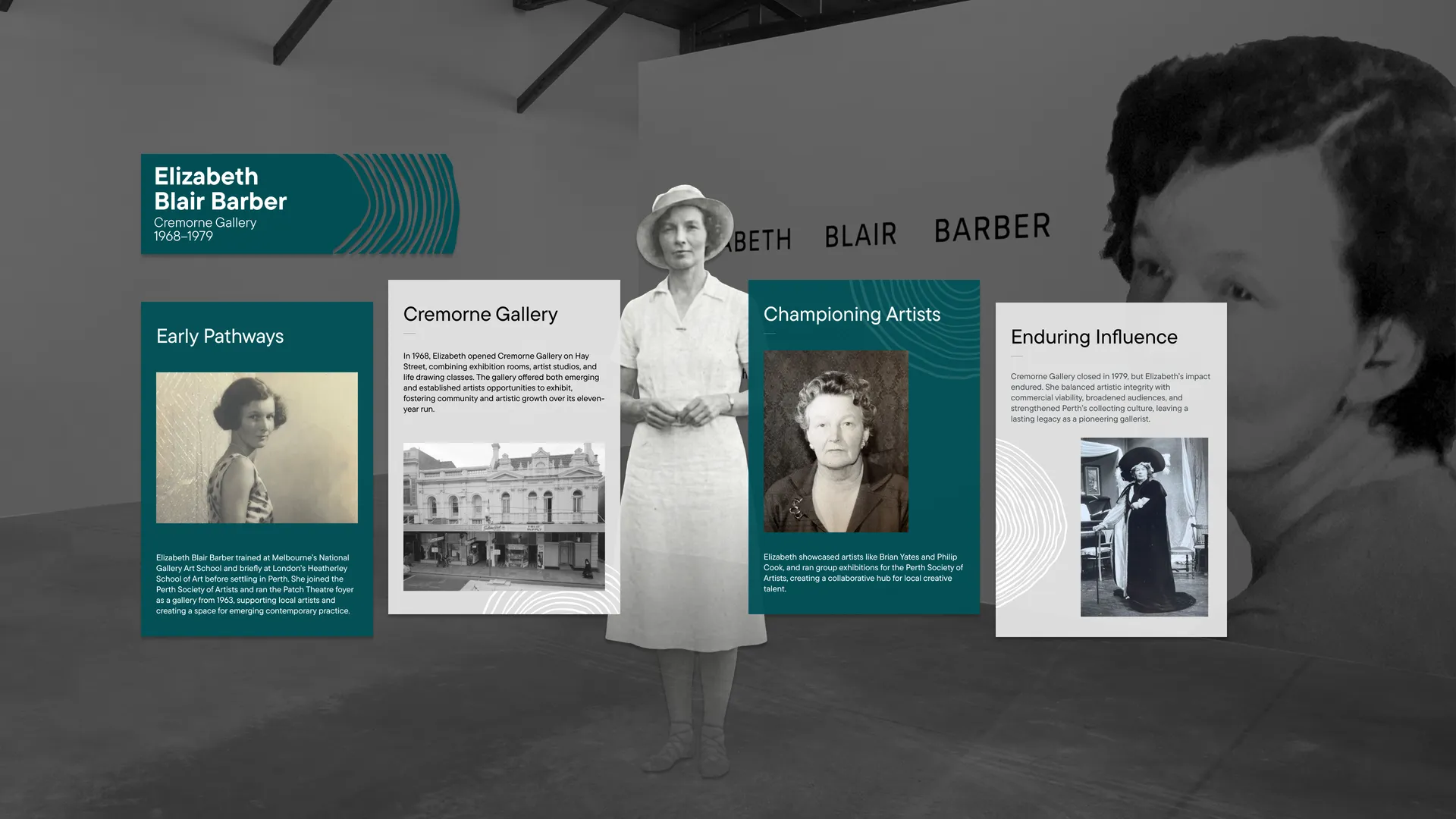
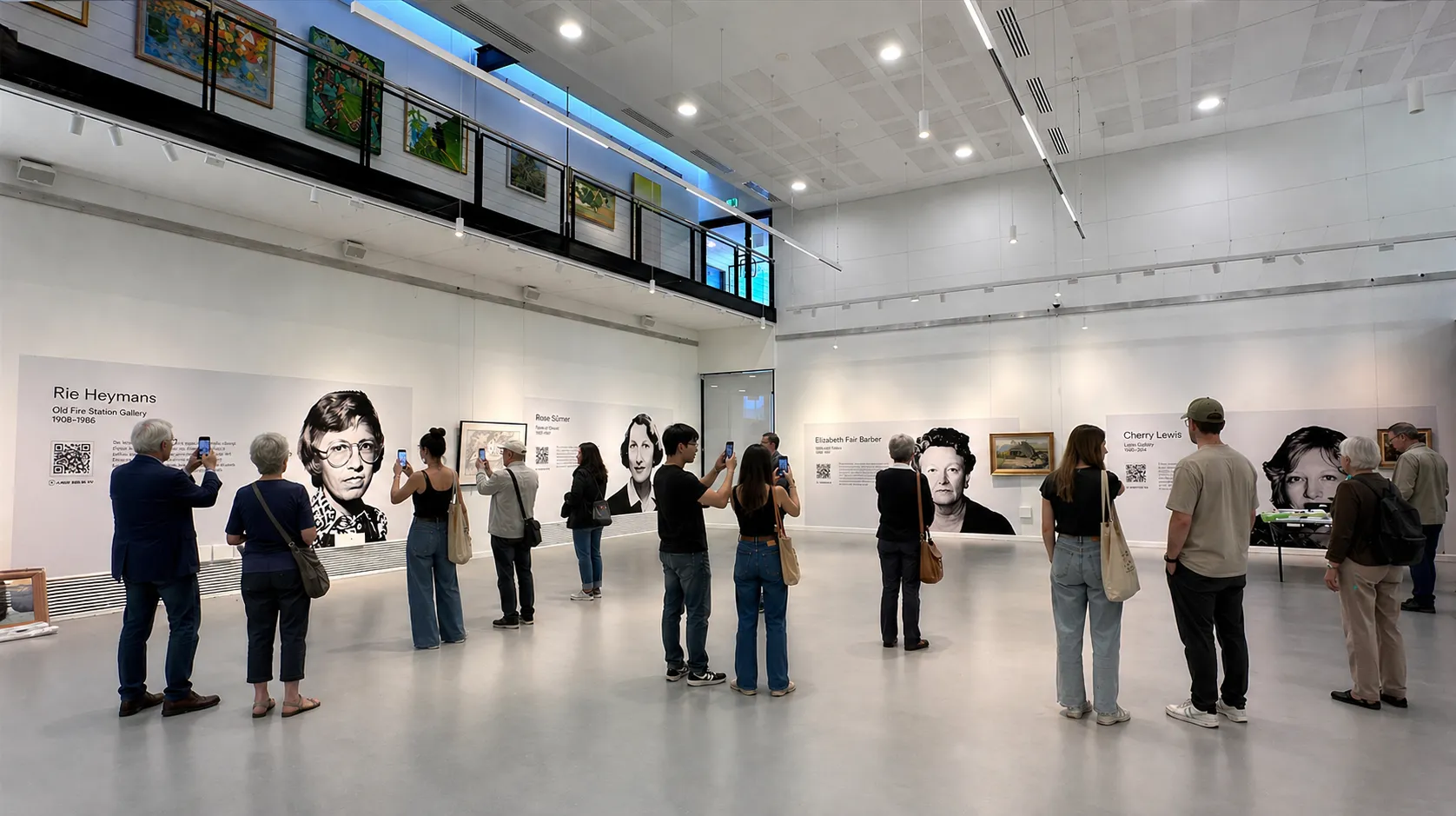
Pioneering Spaces brings four of Perth's most important mid-century gallerists - Elizabeth Blair Barber, Rie Heymans, Rose Skinner and Cherry Lewis - back into the exhibition as life-size AR figures, standing once again alongside the artists and artworks they helped champion. Between the 1950s and 1980s, when the art world was still overwhelmingly male-dominated, these four women reshaped Perth's cultural landscape. The exhibition celebrates that legacy. Generative AI was used to take their archival portraits and add subtle ambient motion, so that within the AR experience they read less as static documentation and more as a quiet presence in the room.
Elizabeth Blair Barber
Perth Garden Stories
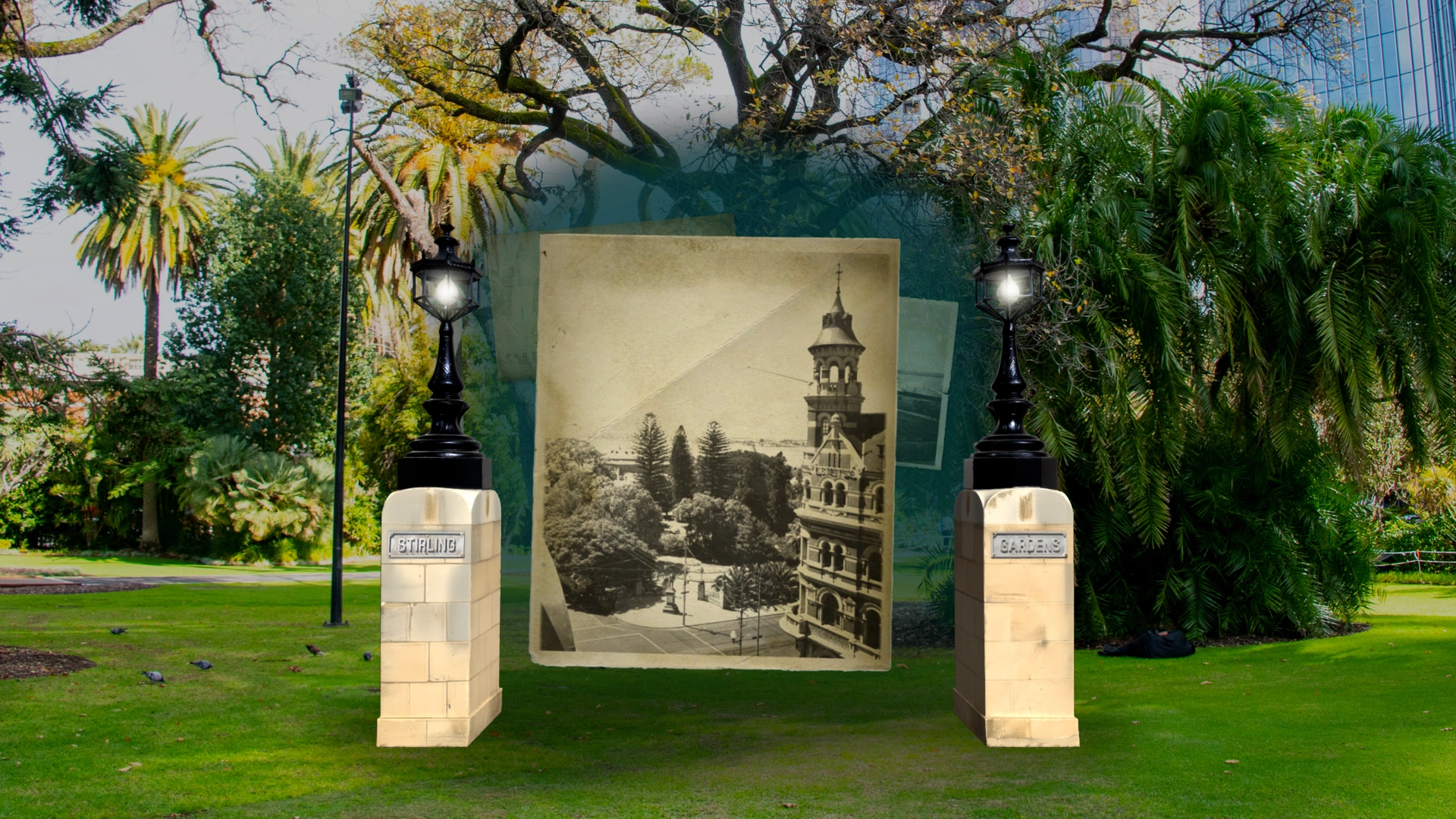
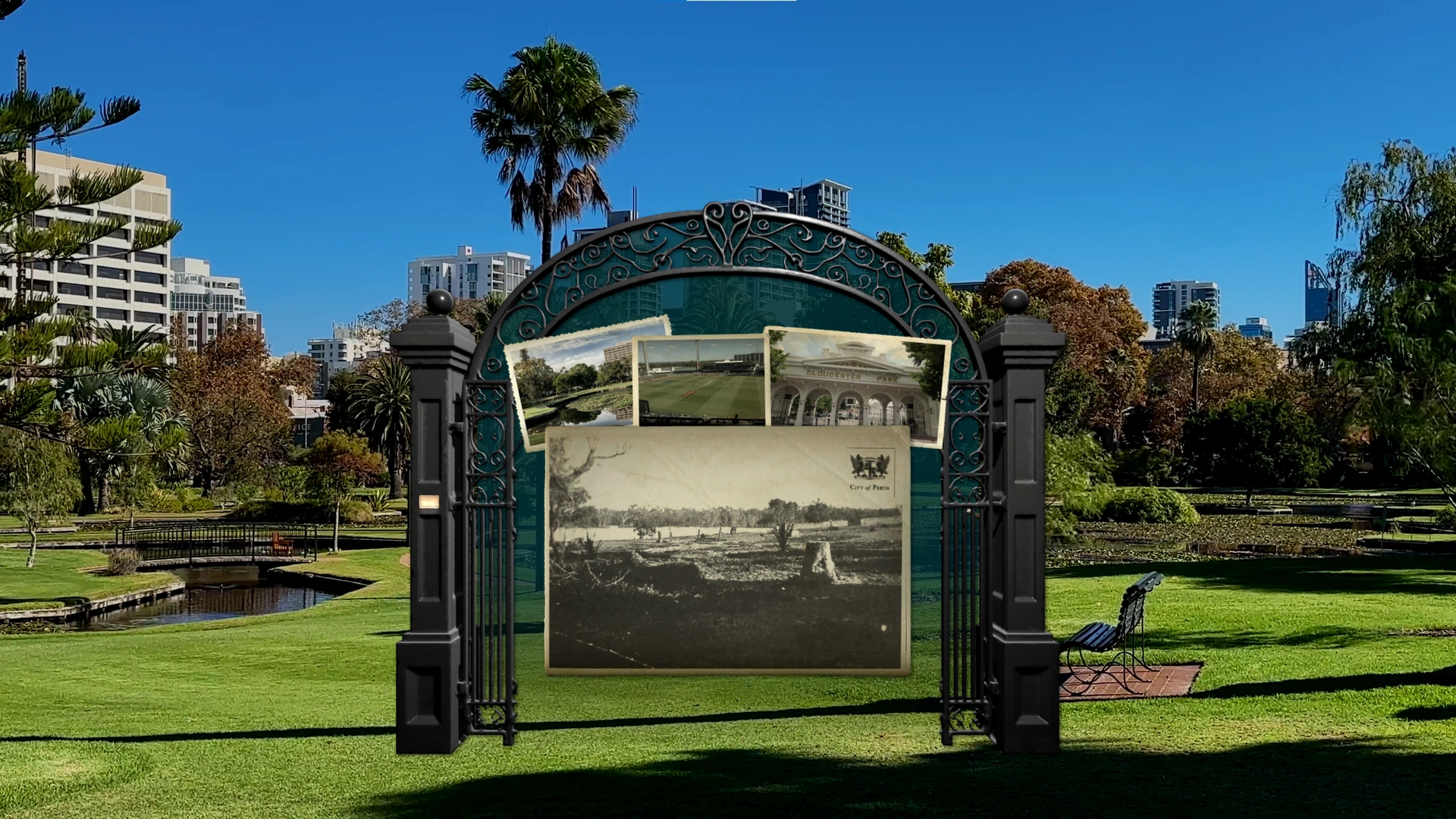
Perth Garden Stories takes a different approach. Instead of bringing a single exhibition to life, it spreads across four of Perth's historic public gardens - Queens Gardens, Stirling Gardens, Harold Boas Gardens and Russell Square - and turns each one into a place-based AR experience. Visitors scan a QR code on site and a layer of history opens up around them: archival photographs animated with subtle motion, Whadjuk Noongar place names, colonial records and community memories, all framed by architectural details already present in the gardens themselves. Source material was drawn from the City of Perth Cultural Collections and the State Library of Western Australia.
Stirling Gardens
Queens Gardens
What we believe
Two projects isn't a long body of work, but it's enough to see which lessons hold up across very different briefs. A few have started to crystallise.
Treat animation as interpretation, not enhancement. The temptation with these tools is to animate everything. Resist it. A still photograph carries its own weight, and animation should be reserved for moments where motion adds something the still doesn't already say. In both projects we animated a small, considered selection of images - never the entire collection.
Anchor stories in place wherever possible. A photograph of a gate becomes a different experience when you're standing in front of the same gate, a hundred years later. Site-specific AR turns the landscape into the interpretive layer. When place isn't available, anchor to the object instead - a portrait inside the gallery where its subject worked, an artefact next to its photograph in the cabinet.
Design the work to live beyond opening night. Festivals are short. We built both projects to run in the browser via a simple link, so the City of Perth has a digital asset that keeps working after the physical programme ends - for education, marketing, schools, and visitors who couldn't make it on the day. Designing for the long tail changes how you scope the work upfront.
Approvals and consent are part of the craft. For Pioneering Spaces, we worked with the City of Perth to seek approval from the families and estates connected to each gallerist before any AR portrait went into the room. For Perth Garden Stories, all archival material flowed through institutional permissions at the City of Perth Cultural Collections and the State Library of Western Australia, and Whadjuk Noongar place names and stories were handled with the care that material requires. None of this is overhead. It is the work.
Six formats
Once an institution has a small, considered collection of animated archives, there are several formats worth considering. These aren't mutually exclusive, and the strongest programmes usually combine two or three. We've flagged which ones we've already built.
Online galleries
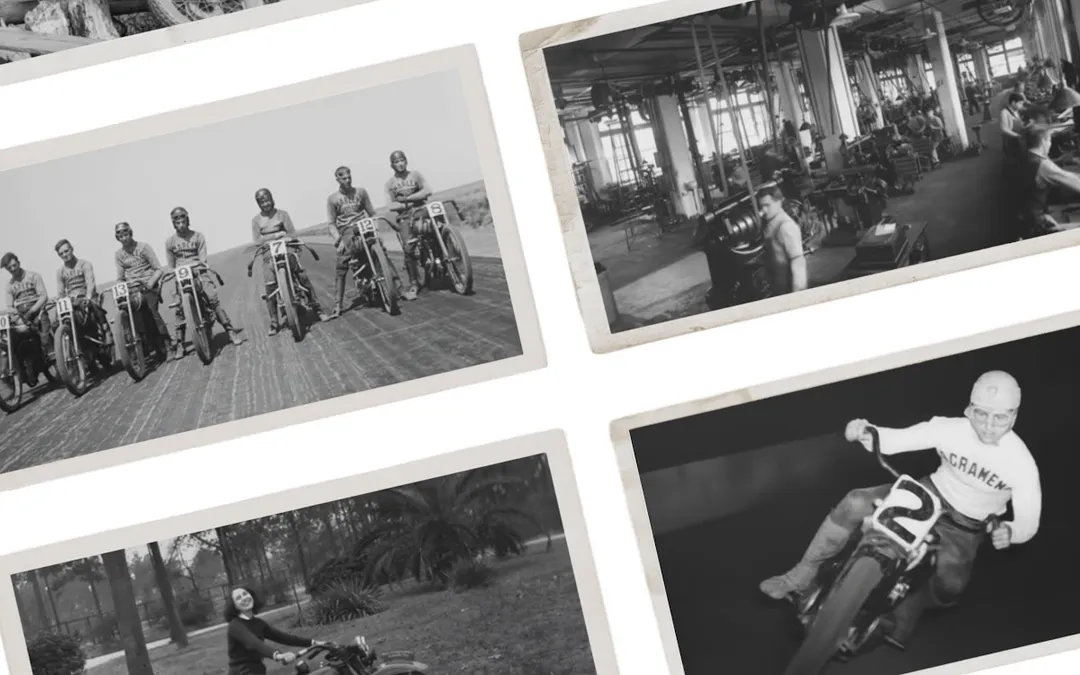
A dedicated page on the institution's own website, where visitors can move between the original photograph and the animated version. A useful reference here is Google Arts & Culture's work with the Harley-Davidson Museum.
Social media
Short, animated clips are highly shareable and stop people mid-scroll. Pair them with a short note on the image's history and they become a quiet recruitment tool for the collection itself.
On-site AR experiences
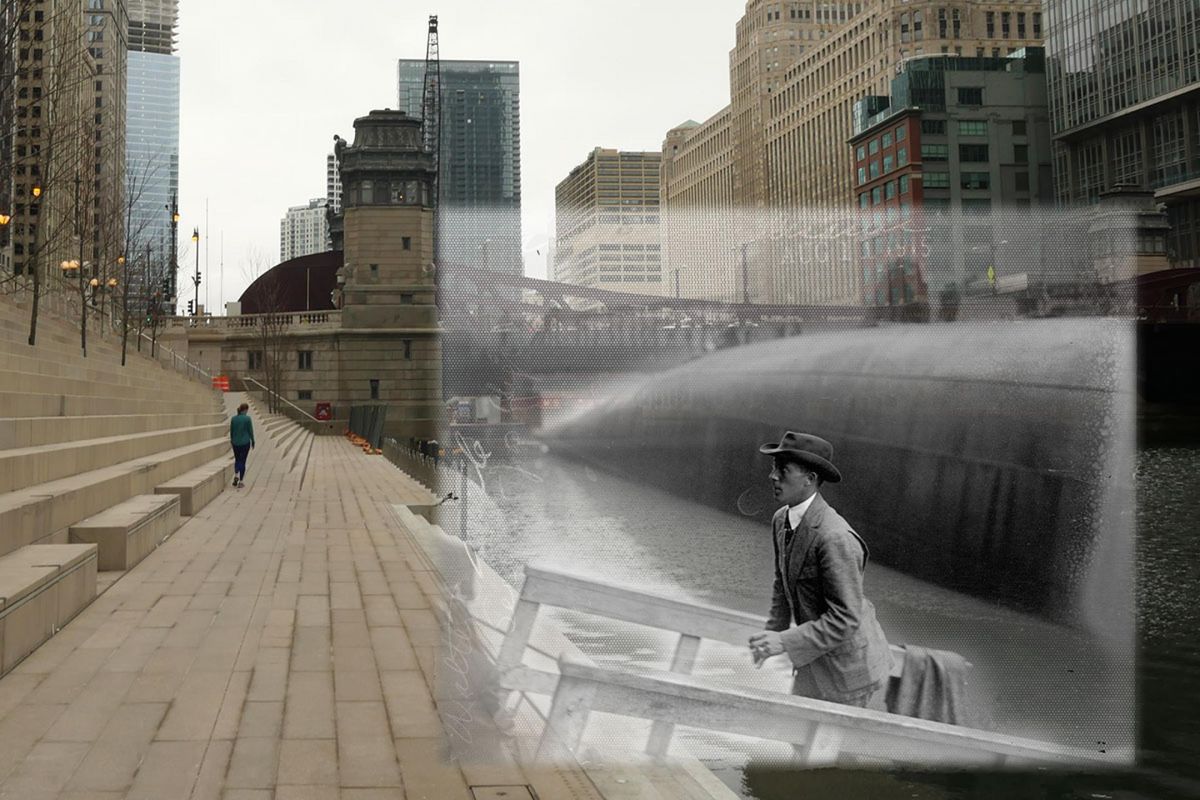
Location-based AR lets visitors stand on the same patch of ground and watch a historic view align with the present. This is the approach we took across the four gardens in Perth Garden Stories.
Exhibitions
Large prints in the gallery, with AR overlaying the animated version when visitors view them through their phone. Pioneering Spaces uses a related approach to bring four mid-century Perth gallerists back into Gallery Central as life-size AR figures.
Books
A printed publication of archival photographs that come to life through AR adds a layer of surprise and interaction for readers, and turns the book itself into a piece of programming. We've produced a number of AR-enabled books in this space.
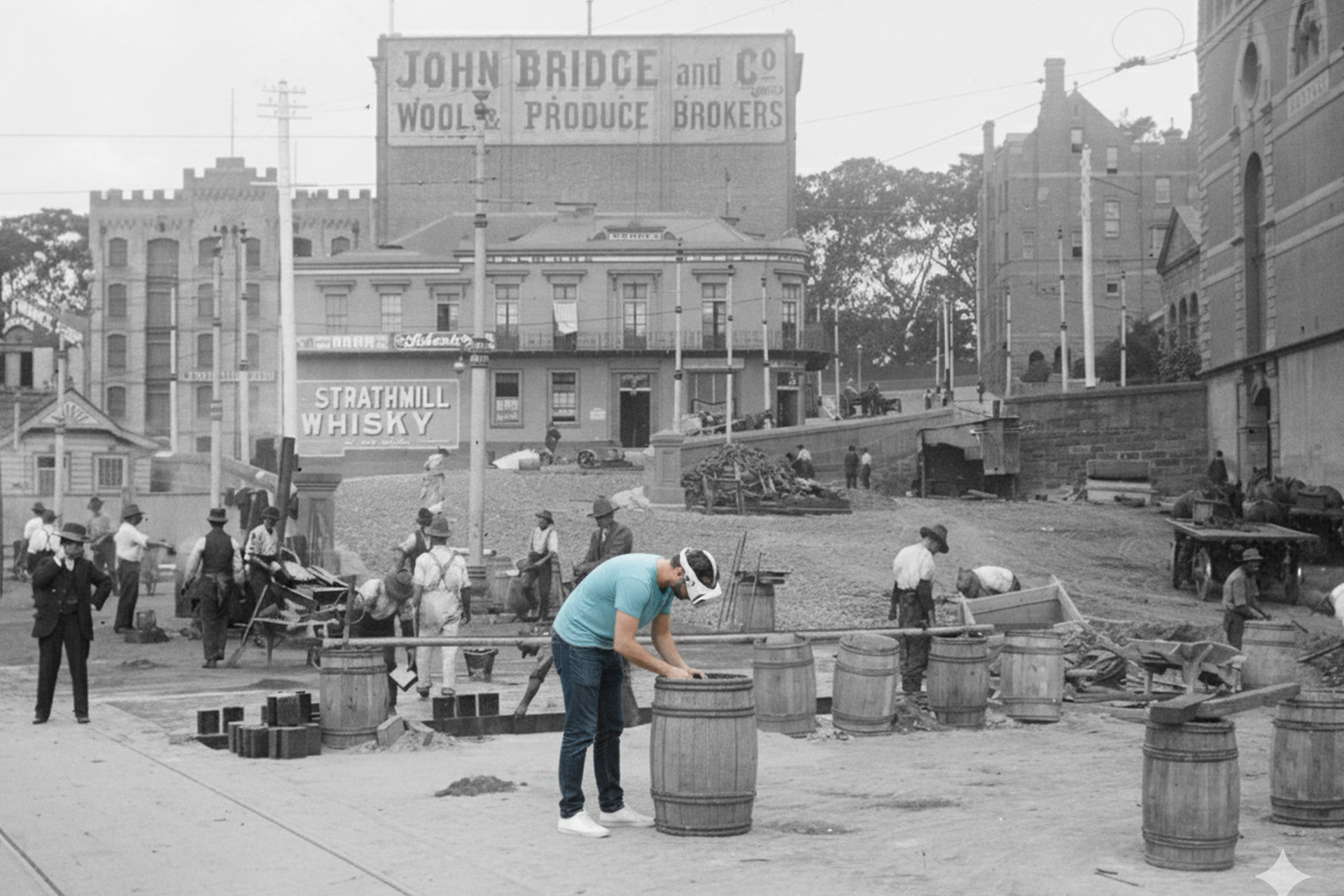
Recreate a historic scene in Virtual Reality or as a large-format projection, so visitors can step inside the photograph and look around as if they were there.
With care
Generative AI sits in a sensitive part of the cultural sector. The same tool that can bring a Frank Hurley photograph to life can also misrepresent the people it was pointed at, smooth over the conditions under which it was taken, or animate material that should never have been animated at all. We take that seriously, and we think the sector should too.
Our working position is that responsible practice begins before the model is ever opened. It begins with consultation, consent and a clear-eyed view of what each photograph is and isn't. For the two Lotterywest Boorloo Heritage Festival projects, that meant institutional permissions through the City of Perth Cultural Collections and the State Library of Western Australia for every archival source. It meant family and estate approvals for the gallerist portraits used in Pioneering Spaces. It meant treating Whadjuk Noongar place names, stories and Country with the care that material asks for, in conversation with the City of Perth.
Animation is interpretation. Colourisation is interpretation. Any motion we add to a still image is a creative decision, and it should sit inside the same interpretive framework an institution applies to its wall labels, catalogue essays and public programming. When the answer is "don't animate this one," that's the right answer.
What's next
Image-to-video is the current frontier, but it isn't the last one. A new generation of AI models is beginning to generate interactive, navigable worlds from a single image. Imagine tapping into an old photograph of a city street and being able to walk through it - turning a corner that no longer exists, looking inside a shopfront that closed half a century ago, hearing the trams the photograph could only show.
The tools to do this are already in our hands. We're testing them in the studio, building short-form prototypes from archival sources and developing the production pipelines that will move this work from R&D into delivery. The frontier moves quickly, and institutions shouldn't have to track it alone - our role is to be the innovation partner that sits between the technology and the collection, prototyping with the tools as they emerge and turning experimentation into work that can stand up in front of a public audience. If your organisation is thinking about where this goes next, we'd like to explore it with you.
We're a creative studio that has spent the last decade working at the intersection of art, technology and public space. Heritage and cultural collections have become one of the areas we care most about. If you're a museum, gallery, library, council or heritage organisation thinking about how generative AI might sit inside an upcoming programme - a festival activation, a permanent gallery layer, a digital extension of a collection - we'd love to connect.